Comparing Alpaca and Wool Comforters: Comfort, Warmth, and Care Across Top Brands
A Time magazine–style examination of how alpaca fiber and wool battings shape warmth, weight, and everyday livability in premium bedding. We explore the offerings from Coyuchi, Sferra, and other brands, and highlight a standout product that embodies the blend of luxury, durability, and responsible sourcing.
Published September 30, 2026
A Tale of Two Natural Fibers: What Makes Alpaca and Wool Distinct
In the quiet hours before dawn, when the house settles into a hushed expectancy, the bed becomes more than a place to rest. It is a climate system, a performance stage for warmth, moisture management, and air flow. Alpaca fiber and wool batting each offer a unique orchestration of warmth and breathability, and the way a comforter uses these materials can determine whether you drift into a languid, contented sleep or wake with dampened energy from overheating.
Alpaca wool—especially in fine, hollow strands—tends to deliver a loft that feels airy yet substantial. Its fibers inherently wick moisture and resist pilling, creating a surface that remains soft and dry across many nights. Wool, by contrast, is renowned for thermoregulation: it traps warmth when it’s cold, but its natural crimp and moisture-managing properties allow heat to escape when temperatures rise. When blended into a comforter, these traits translate into a balanced, year-round companion that adapts to changing climates inside a single season.
The contemporary premium market often blends alpaca fiber with wool batting to harness the advantages of both: the light, breathable loft of alpaca with the robust warmth and resilience of wool. The resulting comforter can feel exquisitely plush without becoming heavy, offering a luxurious surface that still breathes during warmer nights. Brands like Coyuchi and Sferra provide blended fillings that reflect ethical sourcing, certifications, and a commitment to sustainable textiles—an important distinction for modern shoppers who seek responsible luxury.
Brand Perspectives: How Leading Names Shape Comforter Quality
Coyuchi has long championed organic textiles and transparent supply chains. In their alpaca-and-wool blends, Coyuchi emphasizes natural insulation with hypoallergenic fibers, often enveloped in 100% organic cotton shells. These designs prioritize breathability and comfort across seasons, while maintaining a lightness that many winter-to-spring transitions demand.
Sferra, known for luxurious textures and Italian craftsmanship, approaches comforters with a more performance-oriented mindset. Their Giza 45 lines—while celebrated for luxe cottons—also offer tapestry-like warmth when blended with kinder fibers. The result is a comforter that feels like a ceremonial heirloom yet performs in the pragmatic terms of weight, loft, and washability.
Across the market, brands increasingly couple high-grade fillings with meticulous outer shells. The goal is a bed covering that remains durable after numerous cycles in the washing machine, resists clumping of natural fills, and preserves loft over time. In this way, the best alpaca and wool comforters become not merely a product but a sleep environment—an all-season sanctuary that respects both comfort and ecology.
Key Metrics: Fill Weight, Loft, and Care Implications
Fill weight remains a crucial determinant of warmth. A heavier fill typically yields more warmth, but when the fill is a blend of alpaca with wool batting, the loft can feel more generous than the weight alone would suggest. This is partly due to the structure of natural fibers, which trap air efficiently, creating insulating pockets that retain warmth while allowing moisture to escape.
Loft—the perceived puffiness or thickness of the comforter—also informs how a sleeper experiences warmth and cosseting. Alpaca fibers commonly contribute a lofty, buoyant feel that remains surprisingly compact, while wool’s resilience helps maintain a steady, forgiving loft as the cover is used and laundered.
Care considerations are non-trivial. Alpaca blends can be machine-washable in many premium lines, but some require gentle cycles, cold temperatures, and careful drying to preserve loft. Wool blends often benefit from low-heat tumble drying or flat air drying to keep fibers from matting or felting. The best brands publish explicit care instructions—critical for preserving comfort and longevity.
Three Notable Product Highlights
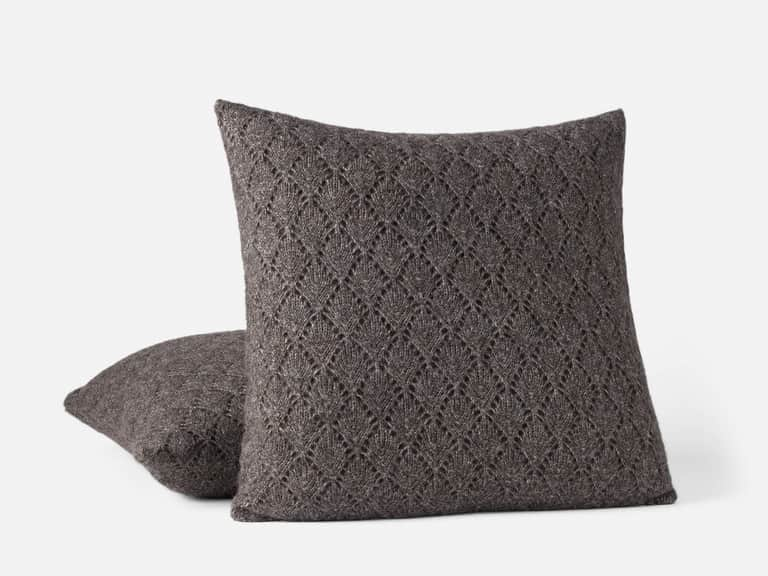
Paracas Alpaca Cotton Knit Decorative Pillow Cover
Not a comforter, but an illuminating example of how premium natural fibers translate across bedding elements. This pillow cover showcases 56% alpaca and 44% organic pima cotton, lined with 100% baby alpaca for added warmth and texture.
Crafted in Peru, GOTS-certified organic cotton, and featuring an invisible zipper, it embodies responsible luxury and tactile warmth suitable for accent styling that complements a wool- and alpaca-filled ecosystem.
- Material: 56% alpaca, 44% organic pima cotton; lining: 100% baby alpaca
- Construction: Knife edge; invisible zipper
- Origin: Peru; Certification: GOTS
- Care: Machine wash cold, gentle cycle
Product image available upon request
View productBari Sham
A piqué matelassé sham in 100% long-staple cotton, made in Italy. Its substantial texture heightens a refined bed aesthetic while remaining durable and breathable.
The Bari Sham emphasizes the matelassé pattern and a plain hem, designed to endure the rigors of daily use while complementing a range of bedding ensembles.
- Material: 100% long-staple cotton
- Construction: Piqué matelassé
- Origin: Italy
- Care: Warm wash; tumble dry low; avoid bleach
Product image available upon request
View productParacas Alpaca Cotton Knit Decorative Pillow Cover (Espresso Heather)
A repeat favorite, this cover blends alpaca luxury with organic cotton for a cozy accent. Lined with baby alpaca, it offers warmth and a refined knit texture that elevates a living room or bedroom setting.
- Material: 56% alpaca, 44% organic cotton; lining: 100% baby alpaca
- Construction: Knife edge; invisible zipper
- Origin: Peru
- Care: Gentle cycle wash
Product image available upon request
View productCoyuchi and Sferra: A Lens on Craft and Care
Coyuchi’s organic traditions meet Sferra’s Italian craftsmanship in a landscape of blends that honor warmth without weight. Their alpaca-wool lines embody a curated balance of loft and resilience, reinforced by responsible sourcing and clear care guidance.
From a consumer perspective, the takeaway is clear: the best comforters are the ones that combine tactile luxury with practical upkeep, ensuring loft and warmth across seasons while staying gentle on fabrics and the planet.
Care Guides: Keeping Alpaca-Wool Comforters at Peak Performance
A high-quality comforter deserves thoughtful care. Most alpaca-wool blends benefit from gentle washing cycles, cold water, and a careful drying approach to maintain loft and prevent fiber migration. Here are universal care tips drawn from premium brands:
- Follow manufacturer guidelines: Always check the care label for recommended temperatures and cycles.
- Use a mild detergent designed for delicate fabrics to preserve natural fiber integrity.
- Avoid high-heat drying; opt for low heat or air drying when possible to protect loft.
- Spot-clean minor stains promptly to prevent deeper soiling from setting into the fibers.
Certifications, such as GOTS (Global Organic Textile Standard), guide consumers toward textiles produced with ethical practices. Wool-grade and alpaca fillings that are responsibly sourced not only align with environmental values but also influence the comforter’s performance over time.
Historical Context: How Comforter Traditions Evolve
The modern comforter emerges from a long lineage of insulating layers, evolving from heavy, layered quilts to feather- and down-filled ensembles. The current trend toward natural fibers—alpaca, wool, and their blends—echoes a broader movement in textiles: balancing luxurious touch with sustainable, ethical sourcing. In the 20th century, the rise of synthetic fills began, but many discerning homeowners and designers—along with premium brands—have returned to natural fibers for their warmth, breathability, and longevity.
Acknowledging this history helps readers appreciate how far the market has come: from bulky, warm-only comforters to adaptable, seasonally friendly designs that honor the fiber’s intrinsic properties. The result is bedding that not only keeps warmth in but heat and moisture management in balance, enabling deeper, more restorative sleep.
A Practical Map for Choosing Your Comforter
When evaluating alpaca vs wool, consider climate, season, and personal sensitivity. If you live in a region with cold winters but variable humidity, a blended alpaca-wool comforter can be ideal, offering warmth without heaviness and accommodating shifts in moisture.
For sleepers who prefer a lighter touch with warmth, an alpaca-dominant fill might be preferable. Those who tend to sleep hot may gravitate toward lighter lofts or blends that emphasize breathability and moisture management. The outer shell’s fabric weight and weave also influence overall feel and care requirements.
Conclusion: The Quiet Luxury of Thoughtful Bedding
The choice between alpaca and wool in comforters is less about a binary judgment and more about an editorial balance: warmth, loft, breathability, and care arranged to suit a particular lifestyle. Top brands like Coyuchi and Sferra illustrate how premium natural fillings can co-exist with rigorous standards for sustainability and quality. In a world that values both comfort and conscience, the best comforters are those that feel luxurious while respecting the resources from which they are made.
In the end, the bed is not merely a place to sleep. It is a crafted environment where temperature, texture, and textile science converge to create an experience of rest that is at once intimate and enduring. The alpaca-wool blend, when chosen with care and paired with the right care regimen, offers a sleep partner that invites you to wake renewed, season after season.