Wool, a natural fiber valued for temperature regulation and durability, offers unique benefits for bedding, pillows, and nursery textiles. Its moisture-wicking properties help maintain dryness, while itch-free finishes and soft micron counts support comfortable sleep environments. Understanding wool’s structure reveals why it’s favored for both adults and young children.
In bedding applications, wool provides thermal insulation that adapts to ambient conditions, keeping sleepers warm in cooler nights and breathable during warmer moments. This versatility reduces overheating and helps maintain a consistent comfort level. Wool fabrics can also resist mold and mildew growth when properly managed and aired.
Nursery and infant products benefit from wool’s natural flame resistance and hypoallergenic attributes, as well as its ability to regulate humidity around delicate skin. For pillows and comforters, wool’s loft and resilience contribute to supportive seating and restful sleep, while maintaining long-lasting shape and volume through repeated use.
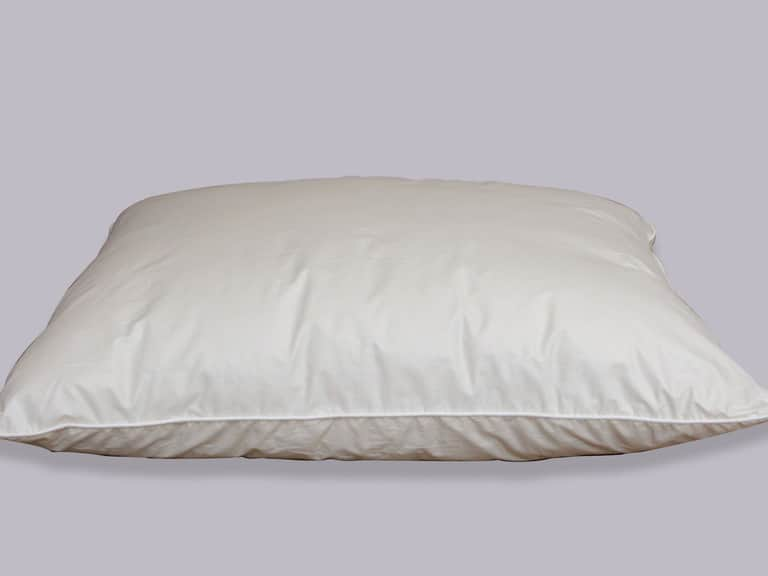
Among wool-based options, alpaca and wool pillows illustrate the blend of soft texture and structural support. These pillows often feature high loft, gentle responsiveness, and improved breathability, delivering cushioned support for the head and neck while preserving temperature neutrality across sleep cycles.
Key characteristics to consider include fiber diameter, fill power, and care requirements, all of which influence comfort, durability, and ease of maintenance. Wool bedding, pillows, and comforters align with diverse needs—from nursery essentials to adult bedding—offering natural versatility and resilience for everyday use.
 Bedding